
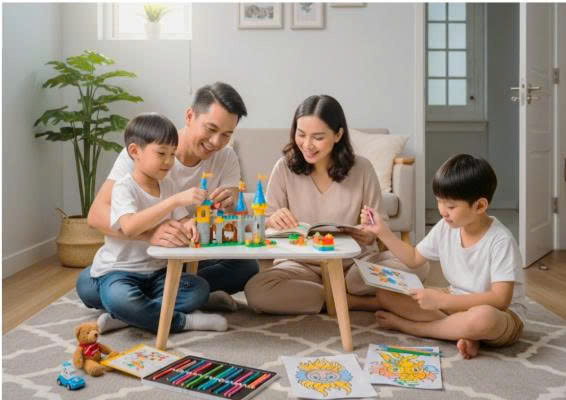
7 WAYS TO TEACH CHILDREN GRATITUDE FOR AN OPTIMISTIC AND HAPPY LIFE
Besides helping children practice and nurture good qualities, teaching gratitude is also the "key" to helping them live more optimistically and happily.
The ancients often said, "First learn manners, then learn knowledge," emphasizing the importance of human morality. One doesn't necessarily need to be exceptionally talented or skilled; if they live with humanity and righteousness, they already have abundant virtue and blessings.
Gratitude is one of the factors that determine a person's future character. Therefore, even more than intelligence, teaching children gratitude is something parents should do. Specifically, many studies show that when children are grateful, they tend to think more positively, which helps them love life and be happier.
7 Ways Parents Can Teach Children Gratitude
Parents Set an Example for Their Children
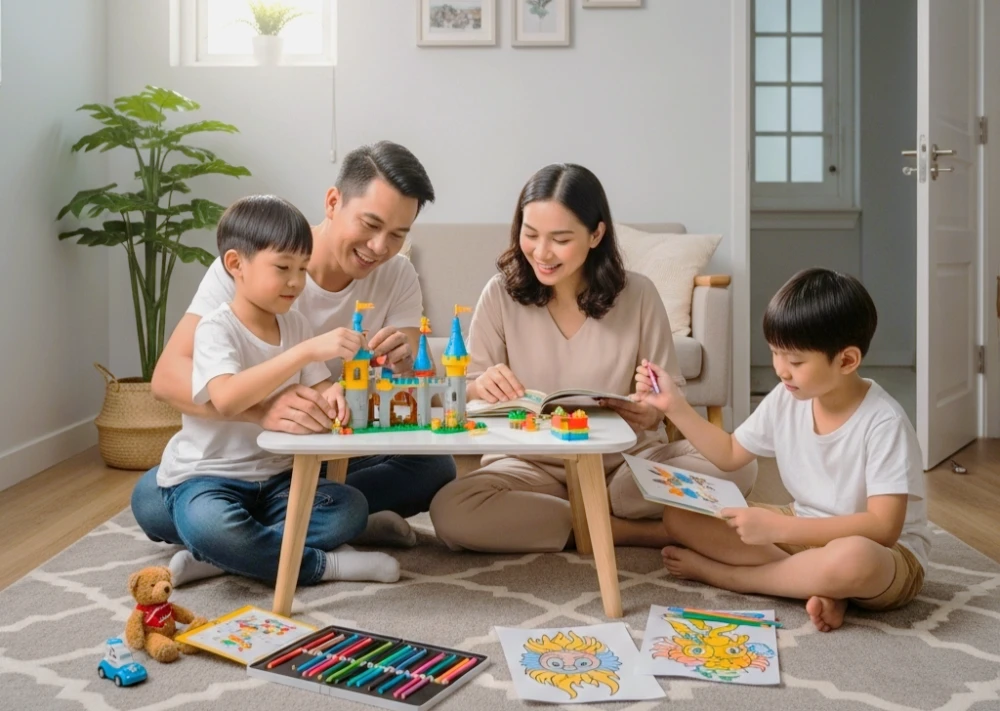
Parents are the first and most important teachers influencing their children's future. Children tend to imitate their parents' behaviors and gradually form their own character. Therefore, parents should model gratitude for their children to follow. Within the family, parents should show respect to grandparents, spouses should express gratitude to each other, and even when a child helps you, parents should say thank you... Only then will children learn and emulate. Furthermore, when parents thank them for doing good deeds, children are very happy and will certainly continue.
Encourage Children to Do Housework
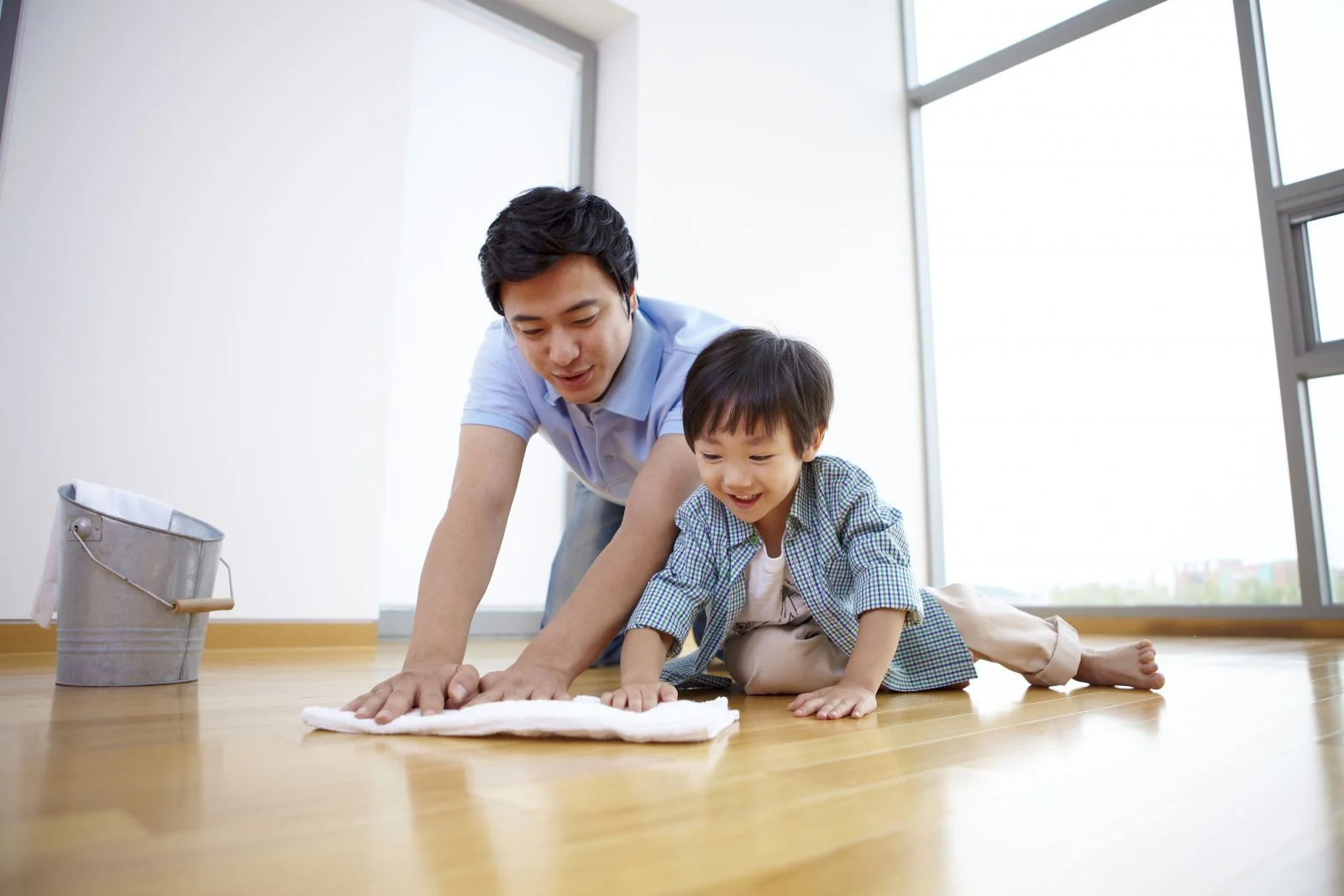
When children do housework with their parents, they realize that they also need to make an effort and should not take everything for granted. They will become independent sooner and understand that their parents' care and nurturing is a sacred duty. They will also learn the importance of repaying their parents' nurturing and educational efforts.
Teach Children to Help Others
Another way to teach children about gratitude is for parents to help those less fortunate together with their children. Small actions like asking after or supporting the poor... will instill in children the habit of assisting those in difficult or disadvantaged circumstances. Additionally, receiving thanks from those they help will gradually help children understand that doing good deeds brings many positive meanings and values to society.
Parents should also remember to offer praise or small rewards if children help others, to encourage them to maintain the initiative in helping people.

Talk to Your Child About Parents' Hardships
Many parents, out of love, often hide their hardships, only letting their children see them in moments of ease and comfort. This is a complete mistake. Children will think that their parents' work is easy, that earning money doesn't require much effort as they thought... Consequently, they won't value their parents' hard work.
Parents should regularly talk to their children about their struggles. Sharing is different from complaining. If conditions allow, you can also take your child to your workplace so they can witness your job firsthand. Once they understand the effort their parents put into earning money, children will learn to love and cherish the things obtained through their parents' sweat and hard work more.

Don't Fulfill Every Demand Too Easily
Many parents easily "surrender" when their children whine and demand something. This attitude from parents will affect the cultivation of gratitude in your child. The feeling of easy satisfaction will cause the child to lose gratitude towards those who made the things they like and those who fulfill their demands.
When you feel a child's request is unreasonable, remember to explain the reason gently before refusing, rather than immediately saying "no." Because otherwise, the child will feel wronged and find it unreasonable.
Parents Should Teach Children to Say Thank You
"Thank you," "I'm sorry," and "please" are phrases parents need to teach children from a young age. Teach children to always thank others when they bring something good to us. Teach children to apologize when they bother or wrong someone. And help children know how to say "please" when they want to ask someone to do something for them. Such specific actions will help children respect others, show sincerity, and value the feelings of those around them more.
Parents Should Be Patient
Children cannot suddenly internalize all their parents' teachings; they need time to experience and accumulate life lessons. Therefore, parents should be calm and help children form the habit of appreciation and gratitude for the things they receive.
Source: -St-
---------------------------------------
DDA VIETNAM INVESTMENT JOINT STOCK COMPANY
☎️ Hotline: 1800 9070 – 0983 746 986 – 0962 700 060
✉️ Email: [email protected]
📍 TikTok: @dda.vietnam
📍 Website: ddavietnam.vn
📍 Address: No. 8, Chien Thang Residential Group, Ha Dong Ward, Hanoi City